Buy fair trade loose leaf tea Canada for ethically sourced loose leaf blends
Discover the World of Fair Trade Tea: Premium Brews That Support Sustainable Practices
Fair Trade tea exemplifies a balanced marriage of quality and values. Each cup offers a singular taste character while nurturing ethical agricultural methods. This approach not only advances the tea experience but also lifts marginalized farmers. Recognizing its origins and certification processes unearths deeper layers of weight. As individuals become more deliberate about their options, the consequence of Fair Trade tea goes further than flavor profile. What supports the veneer of these determinations?
Uncover the Beginnings of Fair Trade Tea
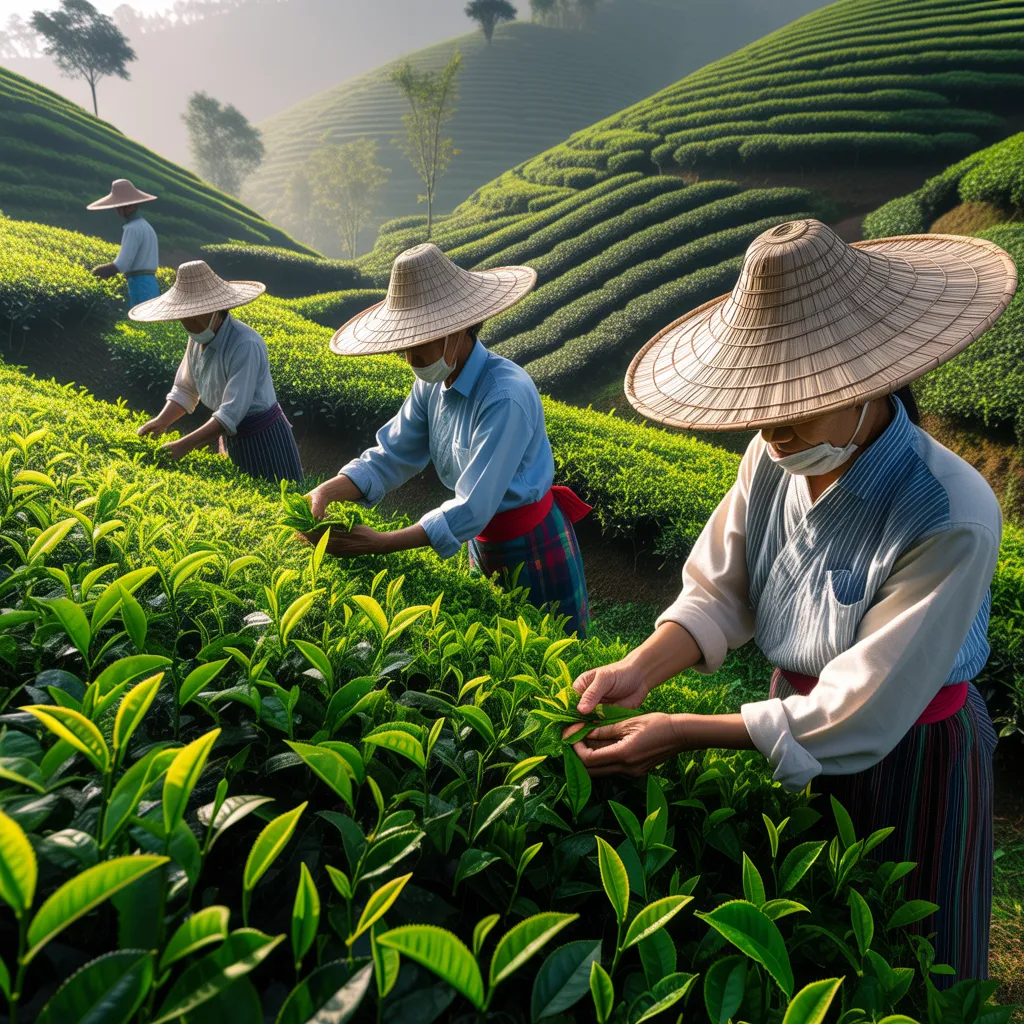
Fair Trade tea stems from the social and economic drives focused on advancing the livelihoods of marginalized farmers. Taking shape in the closing years of the twentieth century, this project worked to tackle inequities in global trade, especially in transitional economies where tea is regularly cultivated. The movement built momentum as consumers became more and more aware of the dire circumstances faced by grassroots growers, including unfair pricing and abuse by large corporations.
Through cooperative structures, Fair Trade sought to strengthen these farmers, guaranteeing they received fair payment and backing for eco-friendly agricultural methods. The movement also concentrated on advancing ecological stewardship, encouraging organic farming and biodiversity. As awareness increased, Fair Trade tea became a representation of responsible purchasing, connecting consumers directly with the origins of their beverages. By selecting Fair Trade tea, individuals add to a larger vision of social justice and economic equity, fostering a more sustainable future for tea-growing communities.
Comprehend ethical commerce for green operations
Understanding Fair Trade certification is vital to identifying how sustainable practices are maintained within the tea industry. This certification confirms that producers receive fair wages and work under safe conditions, which directly advances community development. Fair Trade standards foster environmentally sustainable farming methods, reducing the use of harmful chemicals and encouraging biodiversity.
Certification fosters transparency in the distribution network, allowing customers to track their tea back to its source. By adhering to these guidelines, farms engage in methods that safeguard natural resources and support local environments. Additionally, Fair Trade organizations often provide learning materials and training to farmers, empowering them to improve their farming techniques and financial security.
Ultimately, Fair Trade certification not only enhances the quality of tea but also aligns consumer choices with ethical and eco-friendly values, making it an essential aspect of the tea industry's dedication to social responsibility and environmental stewardship.
Explore Premium Types of Fair Trade Tea
While many tea enthusiasts appreciate the complex tastes and scents of different teas, exploring the top types of Fair Trade tea demonstrates a deeper commitment to responsible practices and environmental care. Some popular options feature Fair Trade Assam, known for its strong, grain-forward flavor, and Fair Trade Darjeeling, often referred to as the "Champagne of teas" for its subtle flower-like characteristics. Another significant variety is Fair Trade Earl Grey, infused with bergamot, offering a unique citrus twist.
In addition, Fair Trade Green Tea, celebrated for its stimulating qualities and health benefits, is increasingly preferred among health-conscious consumers. Herbal blends, such as Fair Trade Chamomile and Peppermint, also shine, providing soothing and calming effects. Each of these varieties not only delivers exceptional flavor but also supports farmers and communities working for better livelihoods, making them a responsible choice for tea lovers seeking quality and ethical assurance.
Brewing Fair Trade Tea: Guidelines for a Ideal Cup
To prepare the ideal cup of Fair Trade tea, precision is essential, since the correct techniques can bring out the tea's distinctive notes and smells. Initially, water quality is key; using filtered water guarantees a pure flavor that lets the tea's features stand out. The water temperature is also important; distinct teas need certain temperatures; black tea requires boiling water and cooler heat is ideal for green or herbal varieties.
Following this, the soaking duration needs to be accurately tracked. Oversteeping can generate bitterness, while inadequate steeping may not capture the complete taste spectrum. A common benchmark is 3-5 minutes for black tea and 2-3 minutes for green tea.
Ultimately, applying the appropriate tea-to-water ratio elevates the flavor; one teaspoon of loose tea per cup is a excellent beginning. By implementing these tips, tea enthusiasts can completely savor the extensive variety of Fair Trade tea.
Ecological Perks of Fair Trade Tea
Brewing Fair Trade tea not only enhances the tea encounter but also supports sustainable agricultural practices that advantage the ecosystem. Fair Trade accreditation encourages farmers to study use natural cultivation techniques, which minimize the reliance on harmful pesticides and fertilizers. This method fosters species diversity, aiding in the protection of local habitats and safeguard animal sanctuaries.
Additionally, Fair Trade initiatives often emphasize soil health and water preservation, ensuring that tea cultivation does not exhaust essential resources. By backing small-scale farmers, Fair Trade also encourages agroforestry, which integrates tea cultivation with other crops and trees, further strengthening environmental resilience.
In addition, Fair Trade tea frequently incorporates eco-conscious packaging and transportation methods, minimizing the greenhouse gas emissions tied to its delivery. All in all, selecting Fair Trade tea shows a conscious effort to advance a increasingly eco-friendly farming approach that respects both the Earth and its inhabitants.

How Your Choice of Tea Empowers Global Communities
Embracing Fair Trade tea benefits communities globally by granting farmers with reasonable pay and superior labor practices. This obligation confirms that tea makers can sustain their livelihoods while investing in their families and local economies. By acquiring Fair Trade tea, customers enable the establishment of necessary local services, such as instruction and healthcare.
Fair Trade accreditation encourages ethical practices, requiring companies to follow standards that prioritize employee protections and ecological responsibility. As a result, growers are motivated to grow premium tea, which not just enhances their income but also creates pride in their craft.
Moreover, the direct trade associations set up through Fair Trade eliminate oppressive middlemen, giving farmers to link with patrons worldwide. This visibility cultivates trust and motivates a global esteem for the cultural meaning of tea. Ultimately, each cup of Fair Trade tea represents a wake-up call of the meaningful change individuals can have on world societies through thoughtful buying.
Frequently Common Questions
What Strategies Should I Use to Identify Fair Trade Tea Products Available in Stores?
To discover sustainably produced tea options in stores, one should look for certification labels, such as Fair Trade Certified or Rainforest Alliance. Additionally, researching companies committed to fair practices can enable making informed choices.
Can You Find Any Wellness Perks Related to Fair Trade Tea?
Fair trade tea may offer assorted health gains, with heart-enhancing antioxidants, improved digestive function, and sharper mental clarity. Besides, ethical sourcing strategies strengthen responsible agriculture, ultimately supporting a revitalized environment and community welfare.
Is it Feasible to Discover Fair Trade Tea On Online Marketplaces?
Yes, fair trade tea is abundantly accessible in web-based stores. Several businesses deliver a variety of varieties and types, verifying purchasers can straightforwardly obtain morally sound products that copyright both sustainability and just compensation practices.
How Does Fair Trade Tea Influence Local Economies?
Fair trade tea benefits local economies by providing farmers with fair wages, fostering community development, and promoting environmentally responsible agriculture. This assistance enhances livelihoods, promotes economic stability, and enables communities to invest in education and healthcare.
How Can I Preserve Fair Trade Tea to Achieve Superior Freshness?
To enhance freshness, fair trade tea should be placed in an sealed jar, away from light, moisture, and pungent smells. Maintaining it in a cool, dark place helps protect its flavor and aroma over time.