Explore fair trade tea for premium-quality teas from responsible producers
Delve Into the Domain of Fair Trade Tea: Outstanding Brews That Enable Sustainable Practices
Fair Trade tea illustrates a harmonious fusion of quality and values. Each cup yields a unique flavor profile while fostering sustainable farming practices. This avenue not only advances the tea moment but also raises marginalized farmers. Acknowledging its origins and certification processes unearths additional significance of weight. As consumers become more deliberate about their options, the consequence of Fair Trade tea moves beyond flavor profile. What supports the surface of these determinations?
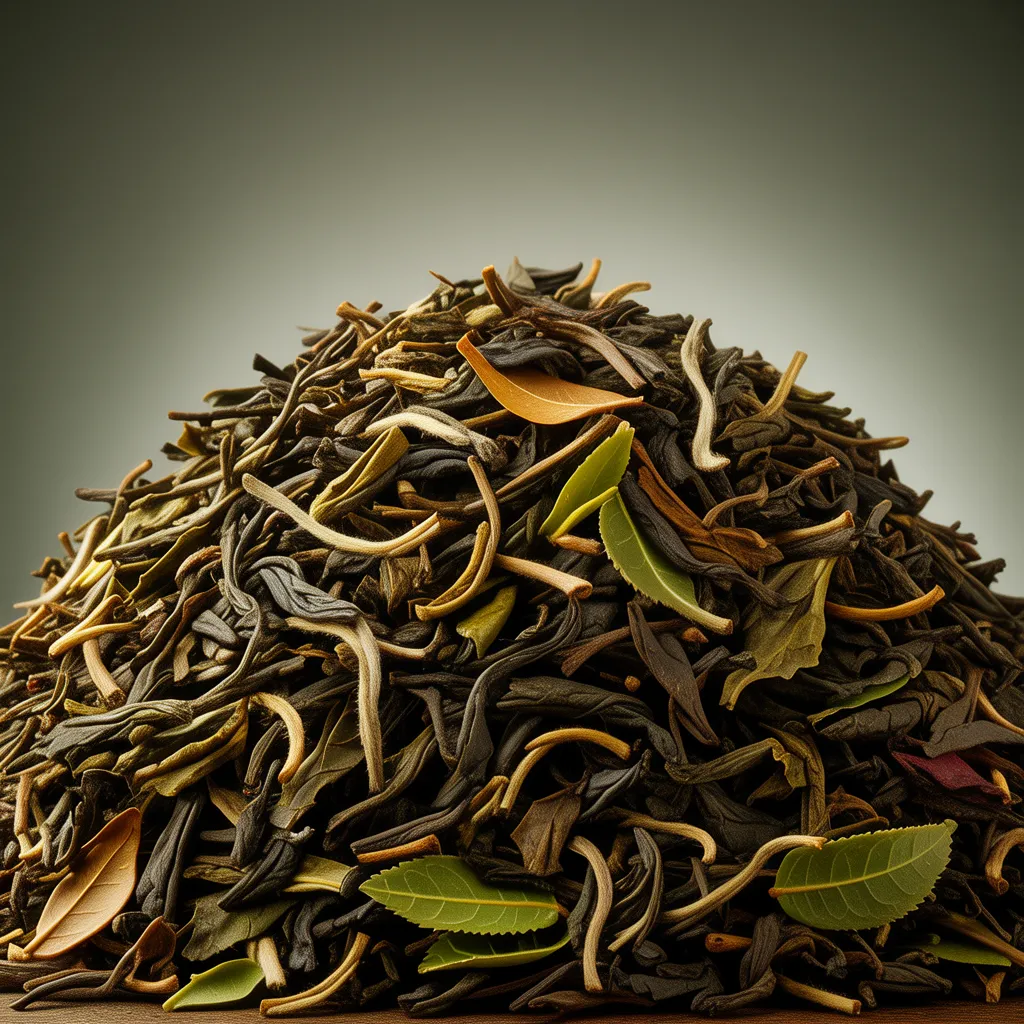
Uncover the Beginnings of Fair Trade Tea
Fair Trade tea stems from the social and economic movements geared toward advancing the livelihoods of marginalized farmers. Arising in the closing years of the twentieth century, this initiative worked to tackle unfairness in international trade, in particular in developing countries where tea is regularly grown. The movement gained traction as purchasers became more and more aware of the dire circumstances faced by small-scale farmers, including inequitable prices and mistreatment by multinational companies.
By utilizing cooperative structures, Fair Trade sought to strengthen these farmers, ensuring they received fair compensation and support for environmentally responsible agriculture. The movement also concentrated on advancing environmental responsibility, promoting organic farming and biodiversity. As awareness grew, Fair Trade tea became a representation of responsible purchasing, linking consumers directly with the origins of their beverages. By selecting Fair Trade tea, individuals contribute to a larger vision of social justice and economic equity, fostering a more sustainable future for tea-growing communities.
Explore Fair Trade Certification for sustainable initiatives
Understanding Fair Trade certification is important to identifying how sustainable practices are maintained within the tea industry. This certification confirms that producers receive fair wages and work under safe conditions, which directly supports community development. Fair Trade standards foster environmentally sustainable farming methods, reducing the use of harmful chemicals and encouraging biodiversity.
Certification encourages transparency in the supply chain, enabling consumers to trace their tea back to its origin. By following these standards, farms engage in methods that protect environmental assets and sustain local ecosystems. Additionally, Fair Trade organizations often provide educational resources and instruction to agricultural producers, empowering them to enhance their production methods and economic stability.
In the final analysis, Fair Trade certification elevates the standard of tea while aligning purchasing choices with principled and sustainable values, establishing it as an indispensable feature of the tea industry's devotion to societal responsibility and environmental guardianship.
Investigate Premium Types of Fair Trade Tea
While many tea devotees savor the rich flavors and aromas of various brews, examining the top selections of Fair Trade tea indicates a more profound pledge to ethical sourcing and sustainability. Some favored options comprise Fair Trade Assam, noted for its powerful, malted character, and Fair Trade Darjeeling, often dubbed the "Champagne of teas" for its refined botanical undertones. Another remarkable variety is Fair Trade Earl Grey, blended with bergamot, delivering a distinctive orange essence.
Furthermore, Fair Trade Green Tea, celebrated for its invigorating qualities and health benefits, is increasingly favored among health-conscious consumers. Herbal blends, such as Fair Trade Chamomile and Peppermint, also excel, offering soothing and calming effects. Each of these varieties not only provides exceptional flavor but also helps farmers and communities working for better livelihoods, making them a responsible choice for tea lovers seeking quality and ethical assurance.
Brewing Fair Trade Tea: Directions for a Superior Cup
To prepare the best cup of Fair Trade tea, focus is important, as the proper procedures can bring out the tea's individual tastes and fragrances. The first step is that water quality is key; using clean water provides a fresh flavor that allows the tea's features to be highlighted. Also, the water temperature is essential; particular heat levels are necessary for various tea types; boiling temperature is used for black tea and green and herbal teas require cooler temperatures.
Following this, the soaking duration needs to be accurately tracked. Excessive steeping can generate bitter notes, while inadequate steeping may not capture the complete taste spectrum. A general guideline is 3-5 minutes for black tea and 2-3 minutes for green tea.
To finish, using the proper tea-to-water ratio enhances the taste; one teaspoon of loose tea per cup is a good guideline. By applying these tips, tea enthusiasts can deeply enjoy the rich offerings of Fair Trade tea.
Green Gains of Sustainable Tea
Brewing Fair Trade tea not only improves the tea experience but also promotes eco-friendly farming methods that benefit the environment. Fair Trade certification motivates farmers to use natural cultivation techniques, which reduce the dependence on harmful pesticides and fertilizers. This approach fosters biodiversity, helping to preserve local habitats and protect wildlife habitats.
Additionally, Fair Trade initiatives often prioritize soil health and water conservation, ensuring that tea cultivation does not deplete essential resources. By backing small-scale farmers, Fair Trade also promotes agroforestry, which combines tea cultivation with other crops and trees, further strengthening environmental resilience.
Moreover, Fair Trade tea frequently involves environmentally friendly wrapping and delivery systems, minimizing the greenhouse gas emissions linked to its delivery. Overall, selecting Fair Trade tea represents a conscious effort to foster a increasingly eco-friendly farming approach that honors both the planet and its people.

The Way Your Tea Choice Supports Communities Worldwide
Opting for Fair Trade tea supports international communities by ensuring farmers receive just compensation and improved working conditions. This pledge ensures that tea producers can preserve their livelihoods while allocating funds to their families and local economies. By choosing Fair Trade tea, consumers help fund crucial community services, including education and health services.
Fair Trade certification encourages responsible conduct, requiring businesses to adhere to standards learn about this that emphasize workers' rights and environmental sustainability. As a result, farmers are incentivized to grow high-quality tea, which not only improves their earnings but also creates satisfaction in their work.
Additionally, the straight trade partnerships formed through Fair Trade eliminate predatory middlemen, permitting farmers to engage with consumers worldwide. This clarity nurtures trust and inspires a global admiration for the cultural significance of tea. Ultimately, each cup of Fair Trade tea serves as a reminder of the constructive influence individuals can have on international societies through mindful consumption.
Popular Inquiries Received
What Strategies Should I Use to Determine Fair Trade Tea Products Available in Stores?
To recognize ethically sourced tea items in stores, one should look for certified marks, such as Fair Trade Certified or Rainforest Alliance. Additionally, researching brands dedicated to ethical sourcing can help with making informed choices.
Do Fair Trade Tea Products Offer Any Health Benefits?
Fair trade tea may supply diverse health perks, featuring antioxidants that support heart health, optimized digestion, and enhanced cognitive focus. Also, environmentally conscious sourcing methods enable green agriculture, ultimately promoting a cleaner environment and community wellness.
Is it Easy to Source Ethically Sourced Tea On Digital Shopping Platforms?
Yes, fair trade tea is abundantly accessible in web-based stores. Several businesses offer a comprehensive selection of varieties and types, ensuring purchasers can straightforwardly obtain ethically sourced options that copyright both sustainability and just compensation practices.
How Does Fair Trade Tea Shape Local Economies?
Fair trade tea positively impacts local economies by providing farmers with fair wages, fostering community development, and promoting environmentally responsible agriculture. This support improves living standards, promotes economic stability, and empowers communities to allocate resources toward education and healthcare.
What Methods Should I Utilize to Store Fair Trade Tea for Superior Freshness?
To maximize quality, fair trade tea should be kept in a sealed jar, shielded from moisture, light, and strong odors. Maintaining it in a cool, dark place helps preserve its flavor and aroma over time.